All destinations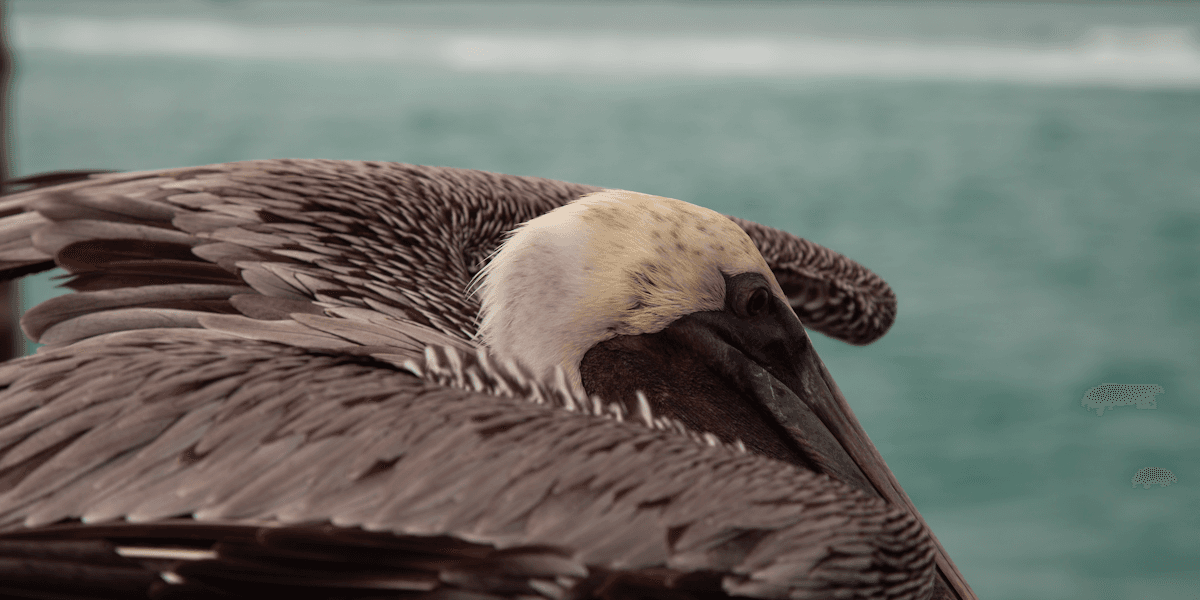
South America
Galapagos Islands
Ecuador
140+
species
28
endemics
Beginner
skill level
Dec, Jan, Feb, Mar, Apr, May
best months
Overview
The Galapagos are where Darwin's finches rewrote our understanding of life on Earth. With 28 endemic species and wildlife that has no fear of humans, this is birding at point-blank range. The total species count is modest, but the quality of every encounter is unmatched anywhere.
28 endemic species including 13 species of Darwin's finches
Wildlife has no natural fear of humans, allowing extraordinary close encounters
The Flightless Cormorant exists nowhere else on the planet
Waved Albatross breeds exclusively on Espanola Island
Key Species to Target
Blue-footed Booby
Iconic courtship dance. North Seymour Island is the classic site.
Flightless Cormorant
Found only on Fernandina and Isabela. Unique in all the world.
Waved Albatross
Breeds on Espanola from April through December.
Galapagos Penguin
The only penguin north of the equator. Isabela's west coast.
Magnificent Frigatebird
Males inflate crimson throat pouches during breeding season.
Galapagos Hawk
Fearless apex predator. Will land meters from you.
Top Hotspots
Best Time to Visit
Jan
Feb
Mar
Apr
May
Jun
Jul
Aug
Sep
Oct
Nov
Dec
Highlighted months indicate peak birding conditions based on weather, breeding activity, and species availability.
Travel Tips
Cruise-based trips cover more islands and species than land-based stays.
December through May is warm and wet with more breeding activity.
Park fees ($100 USD) and transit cards ($20 USD) are required on arrival.
Bring a waterproof camera. Zodiac landings and snorkeling are part of the experience.
Quick Facts
Total Species
140+
Endemic Species
28
Skill Level
BeginnerPeak Season
Dec, Jan, Feb, Mar, Apr, May
Region
South America
Key Species
Blue-footed BoobyFlightless CormorantFrigatebird