
Spotting Scopes for Distance Birding
Essential for shorebirds, raptors, and anything too far for binoculars. Our tested picks.
A spotting scope opens up an entirely different dimension of birding. Where binoculars give you 8-10x, a scope delivers 20-60x — enough to read leg bands on shorebirds from across a mudflat or identify distant raptors perched on a hillside. They're essential for hawk watches, seawatching, and shorebird identification. The tradeoff is weight, bulk, and the need for a tripod. We tested these three scopes across open mudflats, mountain ridgelines, and coastal headlands, evaluating sharpness, color accuracy, and usability in real birding scenarios.
Our Top Picks
Detailed Reviews
Vortex Razor HD 27-60x85
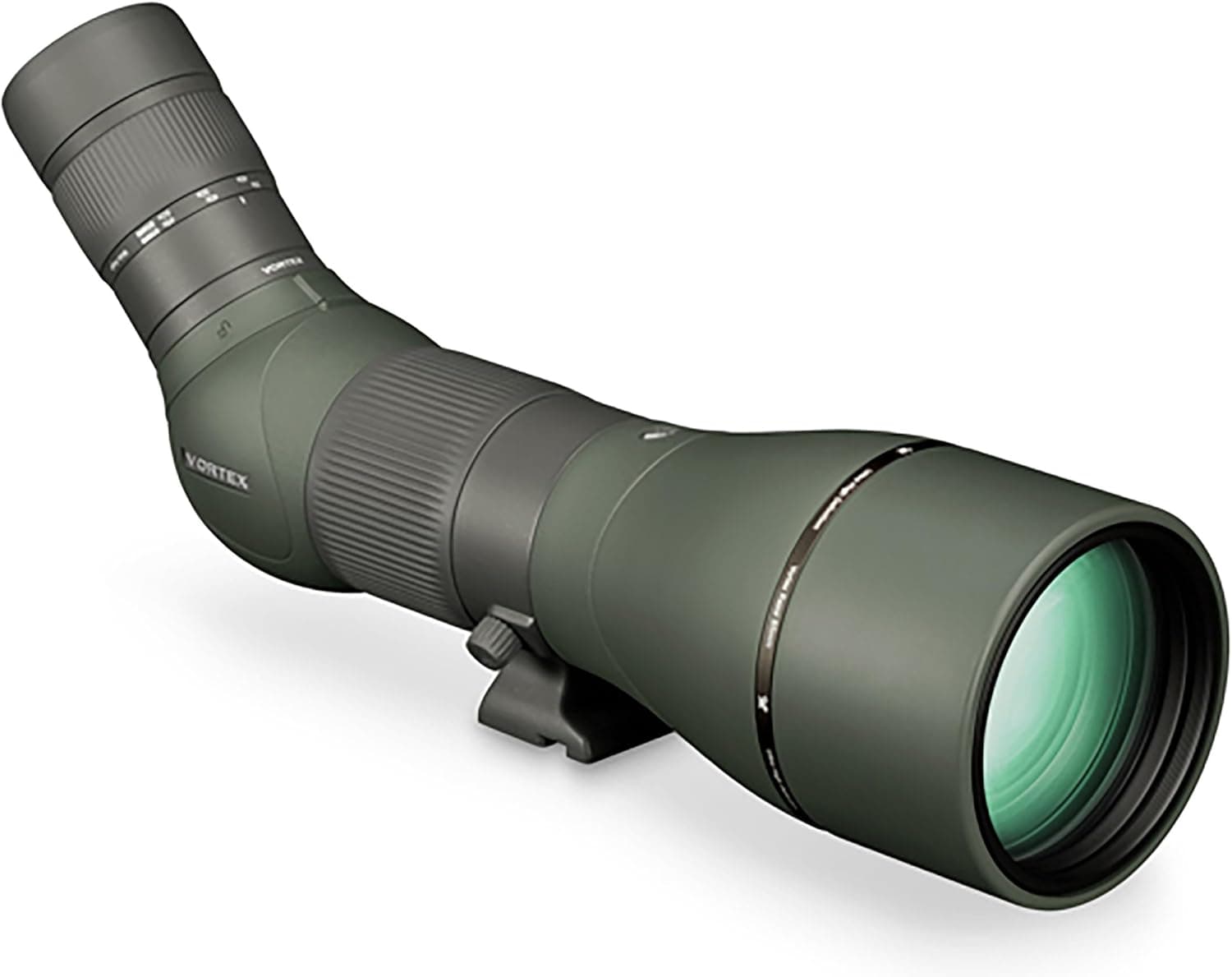
The Razor HD is the scope we reach for most often. The 85mm objective gathers a huge amount of light, which means the image stays bright even at 60x. HD glass delivers excellent color fidelity with minimal chromatic aberration, and the image is sharp from center to about 80% of the field. The dual focus system (coarse and fine) lets you quickly find a bird and then dial in precise focus. The angled eyepiece is easier to share on a group walk. At $1,600, it's not cheap, but it's hundreds less than comparable European scopes.
Kowa TSN-883 Prominar
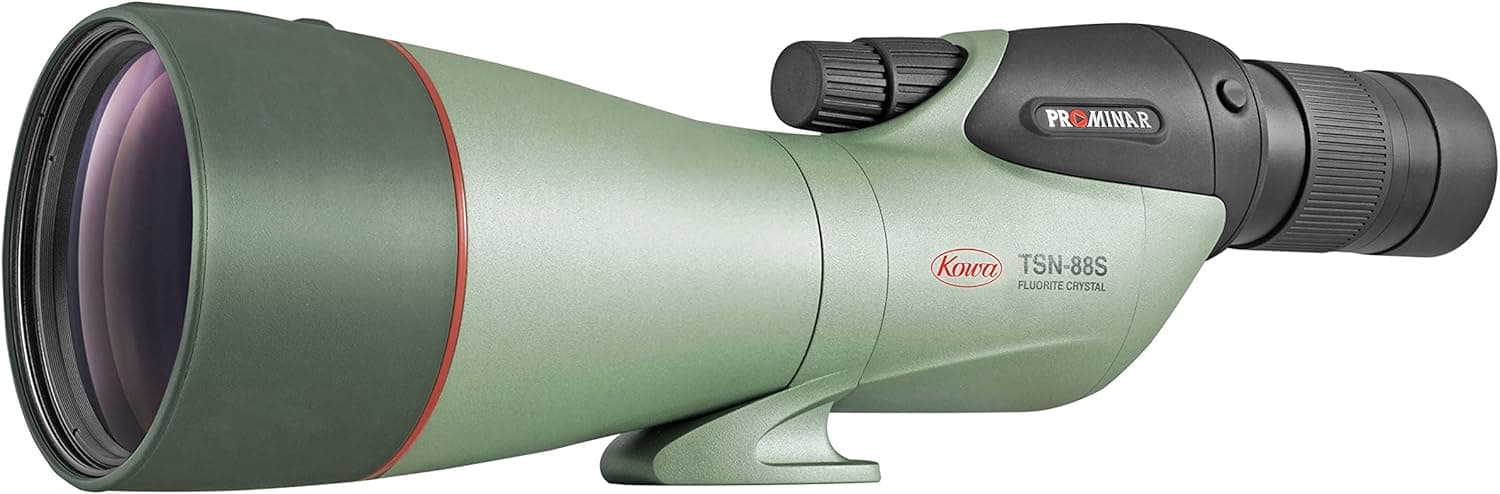
Kowa doesn't get the brand recognition of Swarovski or Zeiss in North America, but among scope enthusiasts, the TSN-883 is revered. The Prominar fluorite crystal glass delivers the sharpest, most color-neutral image of any scope in this guide. At 40x, resolving fine feather detail on distant shorebirds is effortless. It's also the scope of choice for serious digiscopers because the flat, high-contrast image translates beautifully through a phone camera. The build is industrial-grade and the included eyepiece is excellent.
Celestron Regal M2 80ED
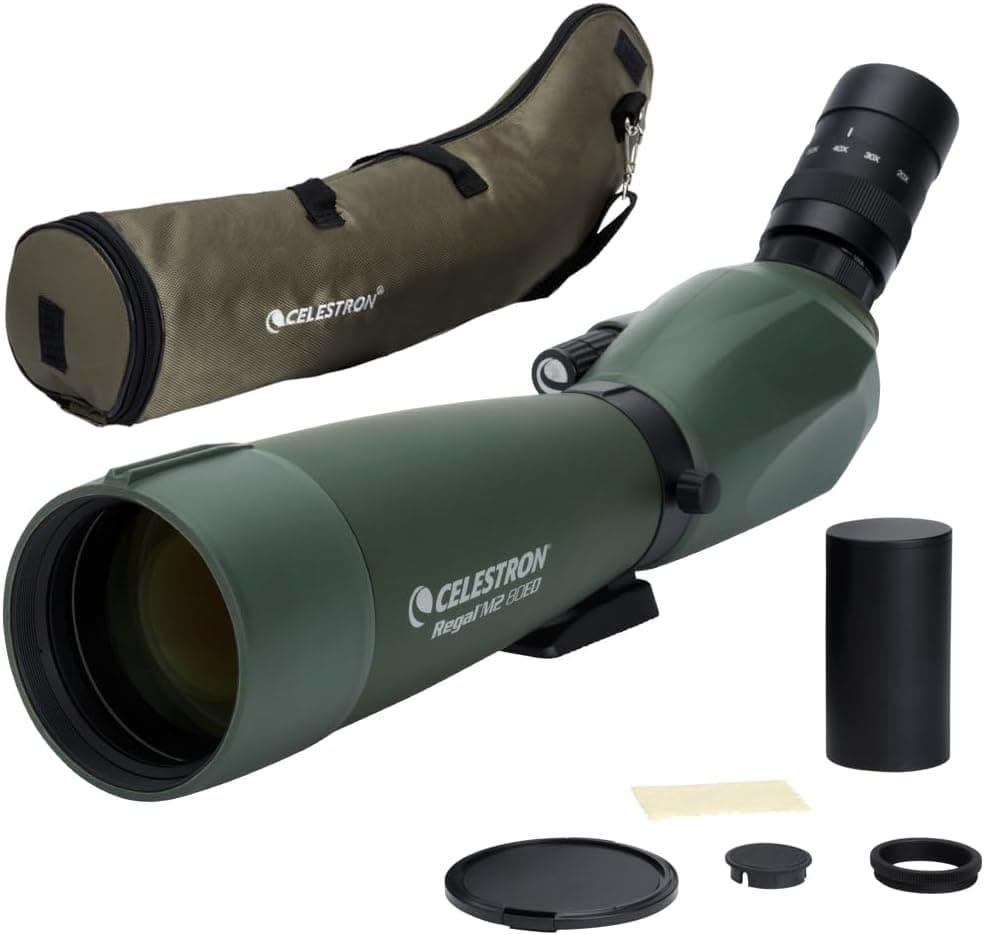
If you want to try scoping without spending $1,500+, the Regal M2 is the best entry point. The 80mm ED objective delivers a clear, reasonably bright image up to about 45x, beyond which things get soft. For hawk watching and scanning shorelines in good light, it's perfectly capable. The magnesium alloy body is lighter than the premium options, which is a real advantage when hiking to a lookout. The dual-speed focuser works well. At $500, it's a genuine tool, not a toy, and a smart choice for birders exploring whether scoping is for them.
Birdr may earn a commission when you purchase through links on this page. This helps support the app at no extra cost to you. We only recommend gear we would use ourselves. Prices are approximate and may vary by retailer. Last updated Jan 2026.