
Field Guides That Actually Help
The right guide for your region and skill level makes identification feel intuitive, not overwhelming.
A good field guide is like a knowledgeable friend standing next to you in the field, pointing out the exact differences between two confusing sparrows. A bad one overwhelms you with information or uses artwork so stylized it looks nothing like the bird in front of you. We evaluated these four North American guides based on illustration quality, organization, range map accuracy, and how helpful they are in the actual moment of identification. Whether you're a first-timer or a 20-year birder looking for a better reference, one of these will click for you.
Our Top Picks
Detailed Reviews
The Sibley Guide to Birds (2nd Ed)
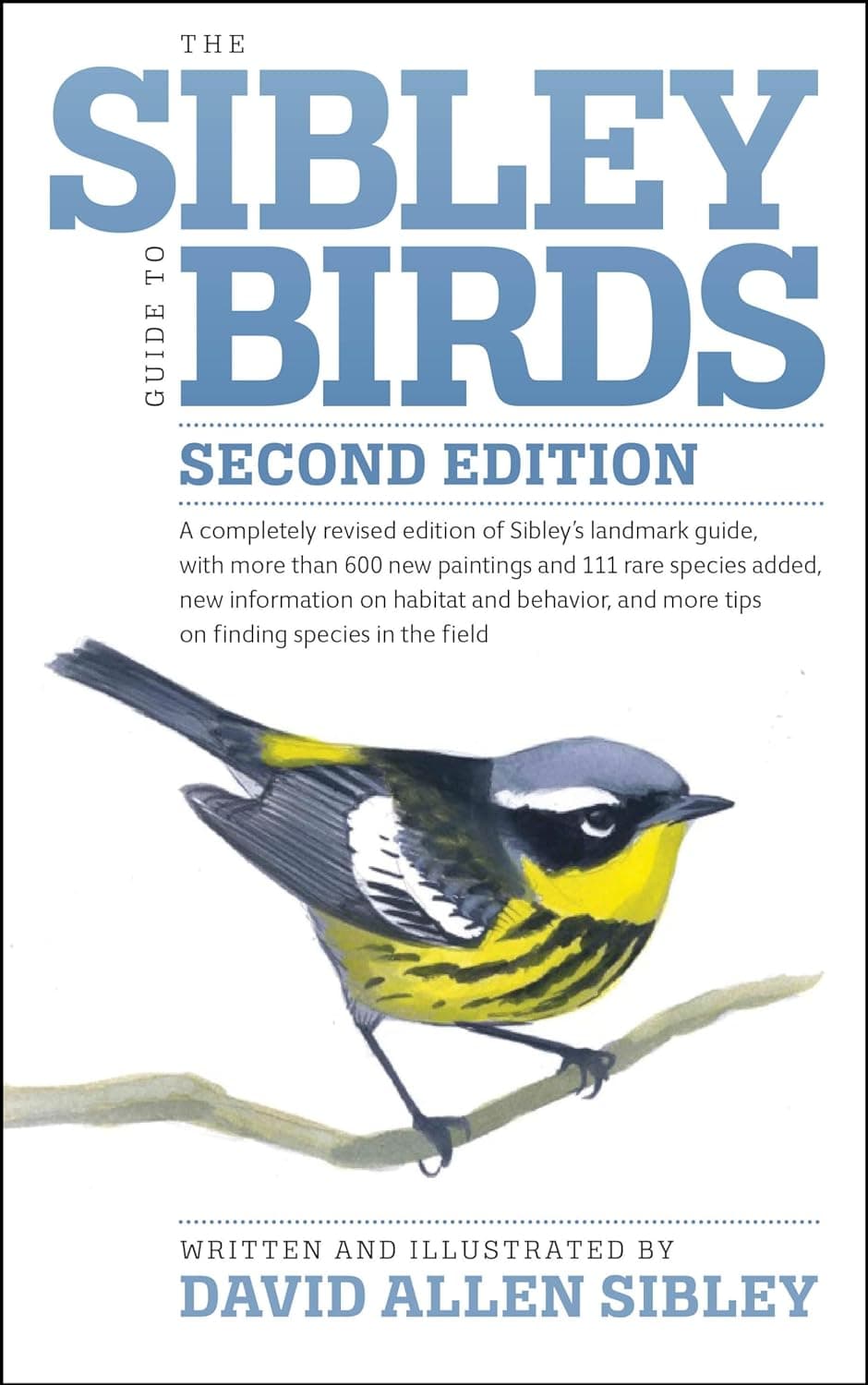
David Sibley's guide is the one most experienced birders carry, and for good reason. The illustrations are painted by Sibley himself and show multiple plumages, ages, and flight angles for each species. The layout puts similar species on adjacent pages, which is exactly what you need when you're staring at two confusing flycatchers. Range maps are integrated alongside illustrations rather than in a separate section. The second edition updated maps and added species. It's comprehensive — all of North America in one volume — and the paperback is reasonably portable.
National Geographic Field Guide (7th Ed)
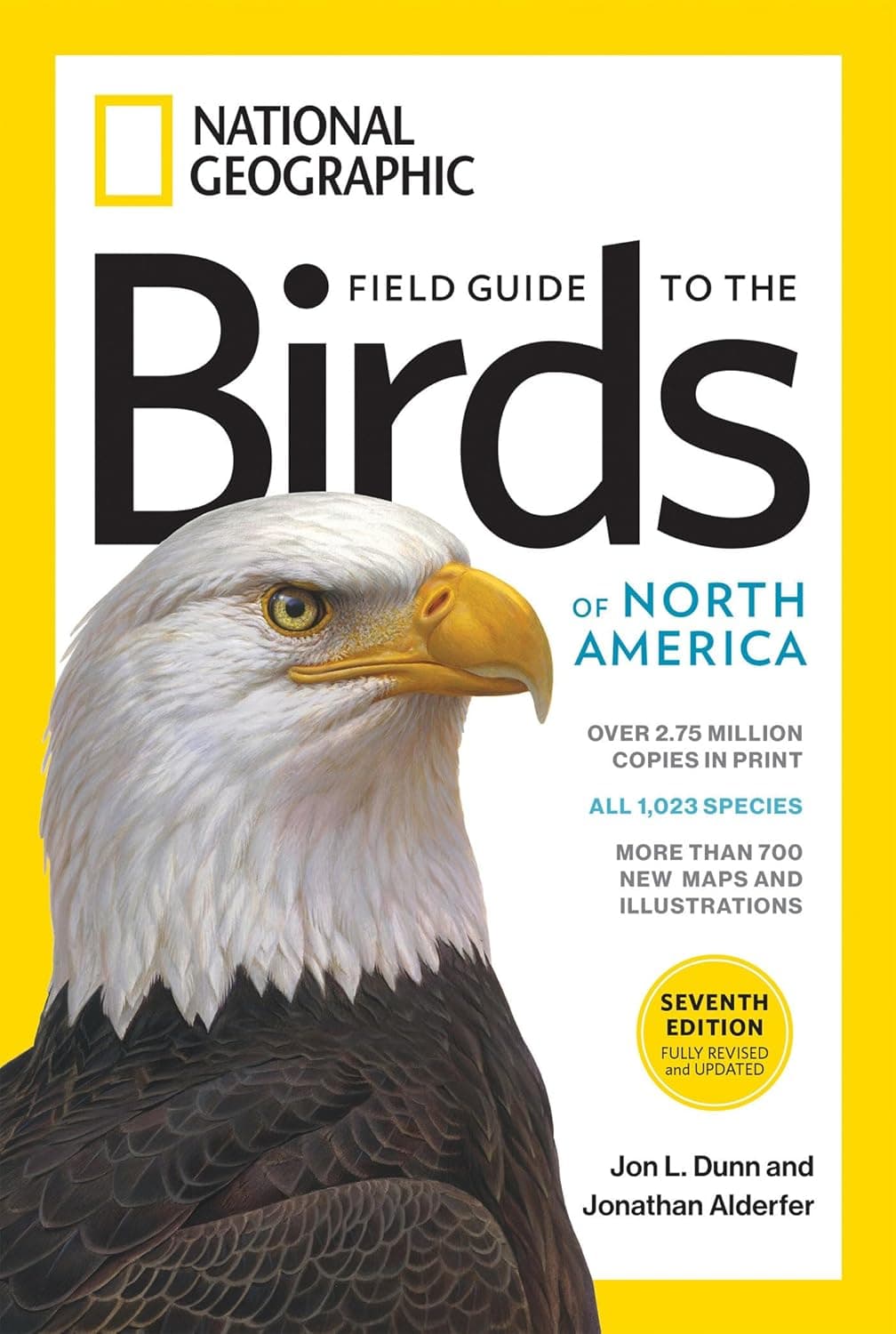
The NatGeo guide takes a different approach: detailed paintings by multiple artists, each specializing in particular bird families. The result is a guide where the illustrations are often stunningly beautiful and highly accurate. The 7th edition revised range maps, added species, and improved the layout. It's slightly more text-heavy than Sibley, with helpful notes on habitat, voice, and similar species. Some birders prefer the multi-artist approach because each family gets an illustrator who truly knows those birds. A strong alternative to Sibley.
Peterson Field Guide to Birds
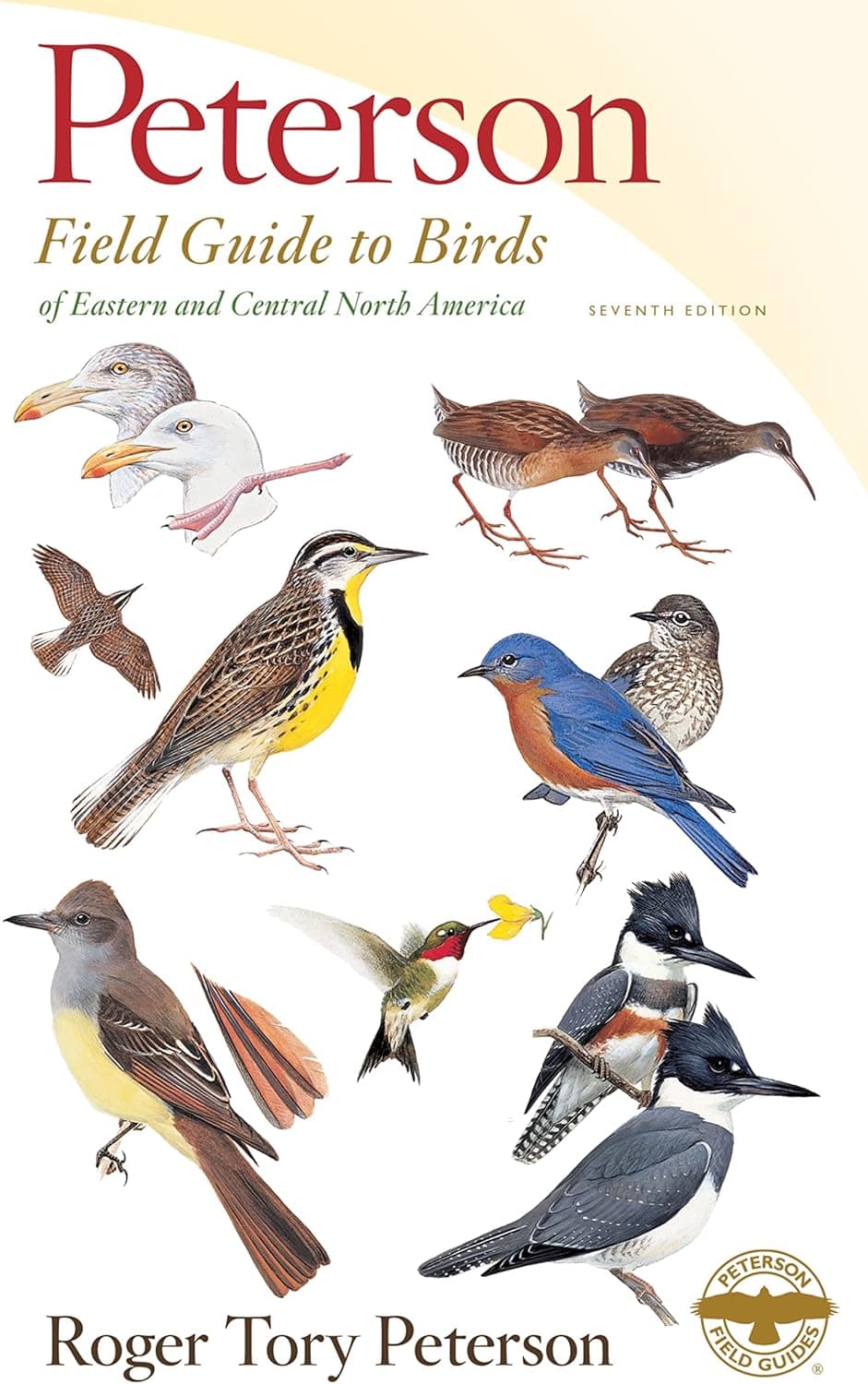
Roger Tory Peterson invented the modern field guide in 1934, and this lineage still shows. The Peterson system uses arrows pointing to key field marks — the exact features that distinguish one species from another. For beginners, this is invaluable. Instead of studying an entire bird and guessing what matters, Peterson tells you: look at the wing bars, the eye stripe, the bill shape. The latest edition maintains this approach with updated illustrations and range maps. If you learn with Peterson, you internalize a way of seeing birds that lasts a lifetime.
Kaufman Field Guide to Birds of NA
Kenn Kaufman designed this guide from the ground up for people who are just starting. Instead of paintings, it uses digitally enhanced photographs that show birds exactly as they appear in the field. The text is written in plain, jargon-free language, and similar species are placed together with clear notes on the differences. It's the smallest and lightest full-coverage guide in this roundup, and at $18, it's almost an impulse buy. If you're giving a gift to someone who just put up their first bird feeder, this is the one.
Birdr may earn a commission when you purchase through links on this page. This helps support the app at no extra cost to you. We only recommend gear we would use ourselves. Prices are approximate and may vary by retailer. Last updated Mar 2026.