
Cameras for Bird Photography
From phone adapters to dedicated rigs, here's what actually works for capturing birds in the field.
Bird photography is one of the most demanding genres in the hobby. Your subjects are small, fast, skittish, and often backlit. You need reach, speed, and autofocus that can lock onto a warbler in a canopy. We tested these four setups across a range of conditions — shorebirds at 100 yards, warblers at 20 feet, and raptors in flight. Whether you're working with a phone or a full-frame mirrorless body, there's a setup here that will get you frame-filling shots of birds you'd normally only see through binoculars.
Our Top Picks
Detailed Reviews
Sony a7R V + 200-600mm
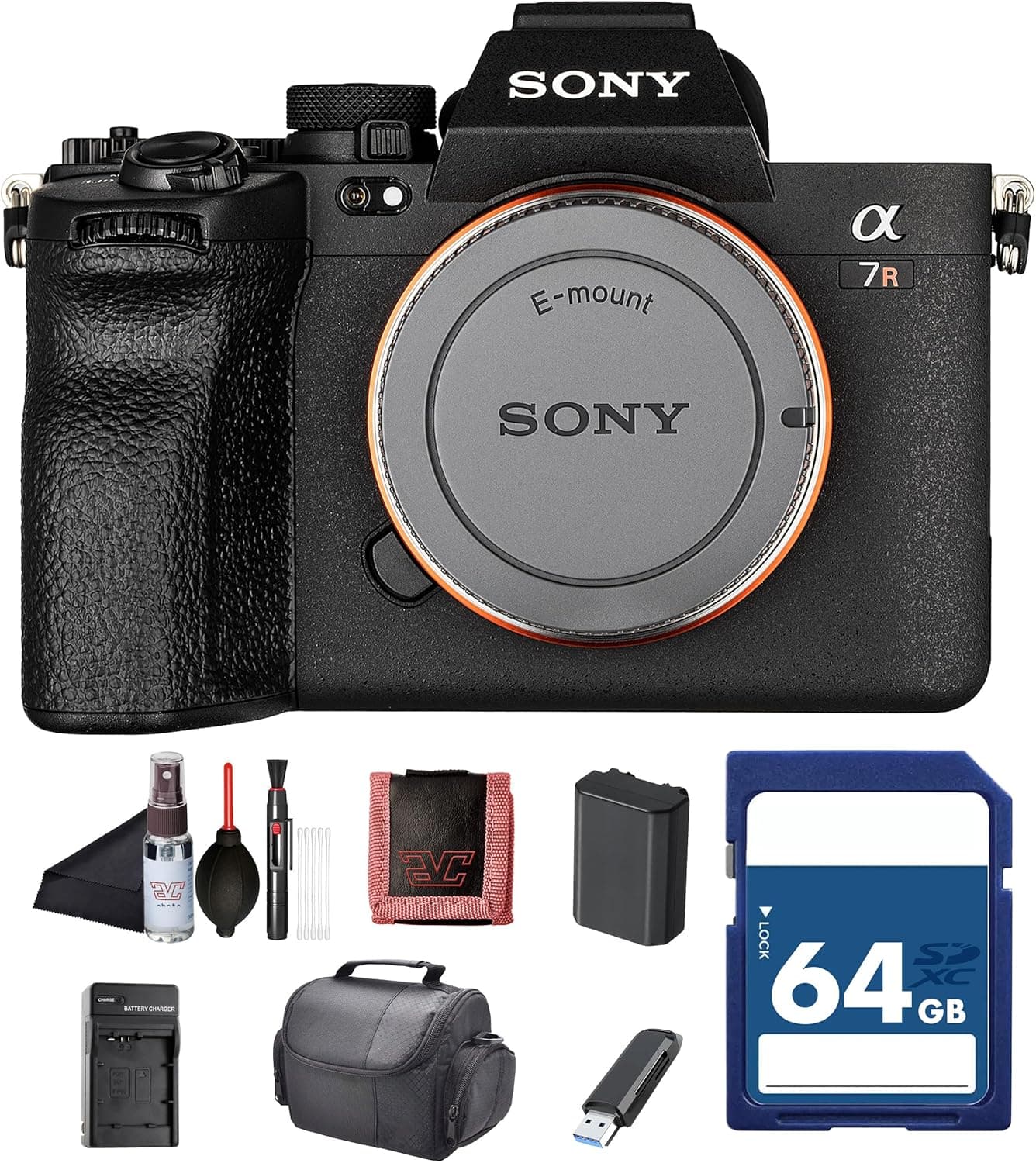
This is the combination that working bird photographers reach for. The a7R V's AI-based autofocus can identify and track a bird's eye through dense foliage, and the 61MP sensor captures feather-level detail that holds up to heavy cropping. The 200-600mm f/5.6-6.3 lens is sharp across its range and relatively compact for a supertelephoto. At 600mm, you can fill the frame with a sparrow from 30 feet. The whole rig is heavy — about 5.5 lbs — but for the serious bird photographer, nothing else comes close.
Canon R7 + RF 100-400mm
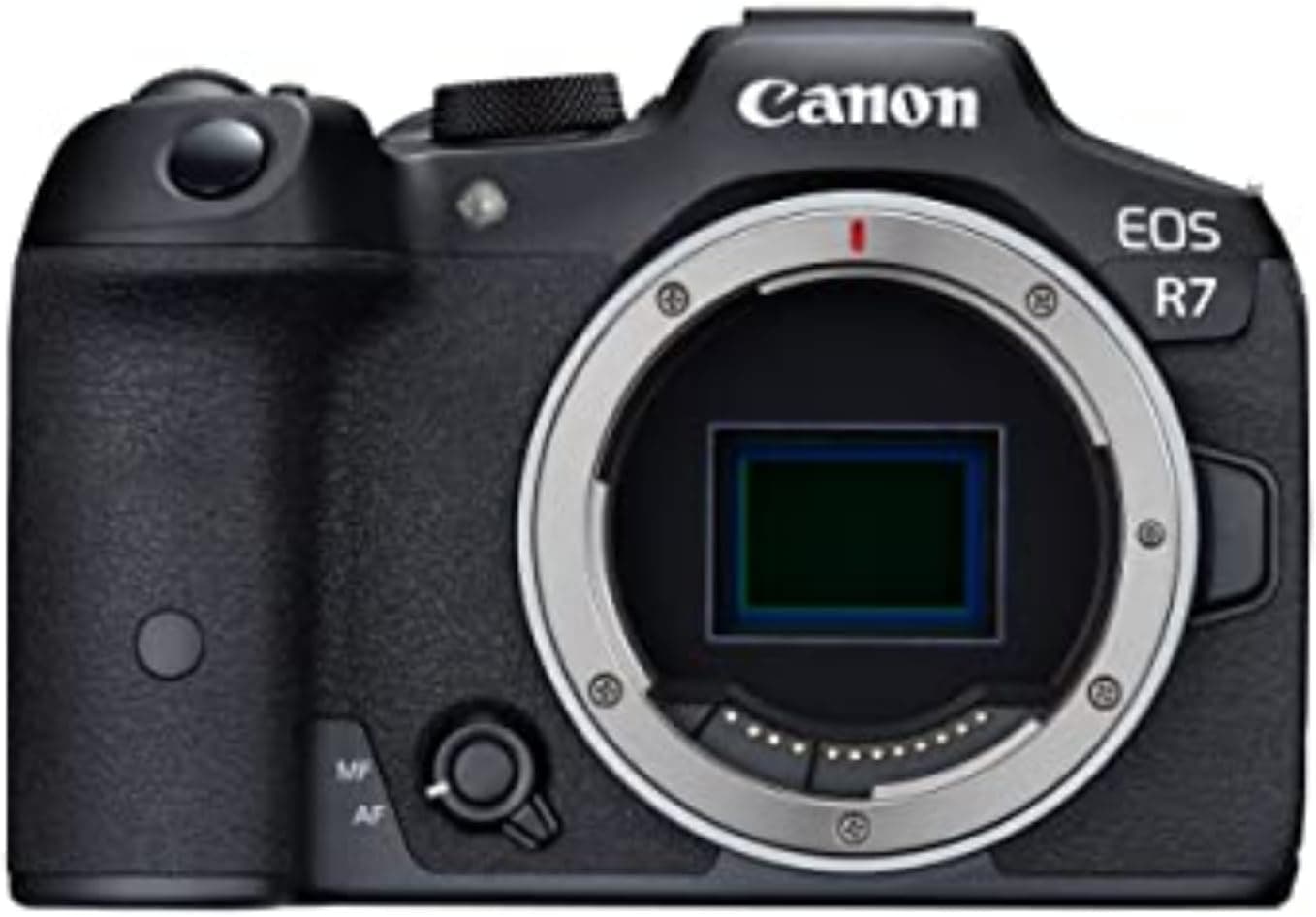
Canon's APS-C mirrorless body is tailor-made for bird photography. The 1.6x crop factor turns the 100-400mm into an effective 160-640mm, and the 32.5MP sensor resolves plenty of detail. The Dual Pixel CMOS AF II system detects birds reliably, including eyes, heads, and bodies. At 15 fps mechanical and 30 fps electronic, you won't miss the moment a heron strikes. The RF 100-400mm f/5.6-8 lens is surprisingly good for its size and price — light, sharp in the center, and easy to handhold. This is the sweet spot for enthusiast bird photographers.
Nikon Z50 II + 70-300mm
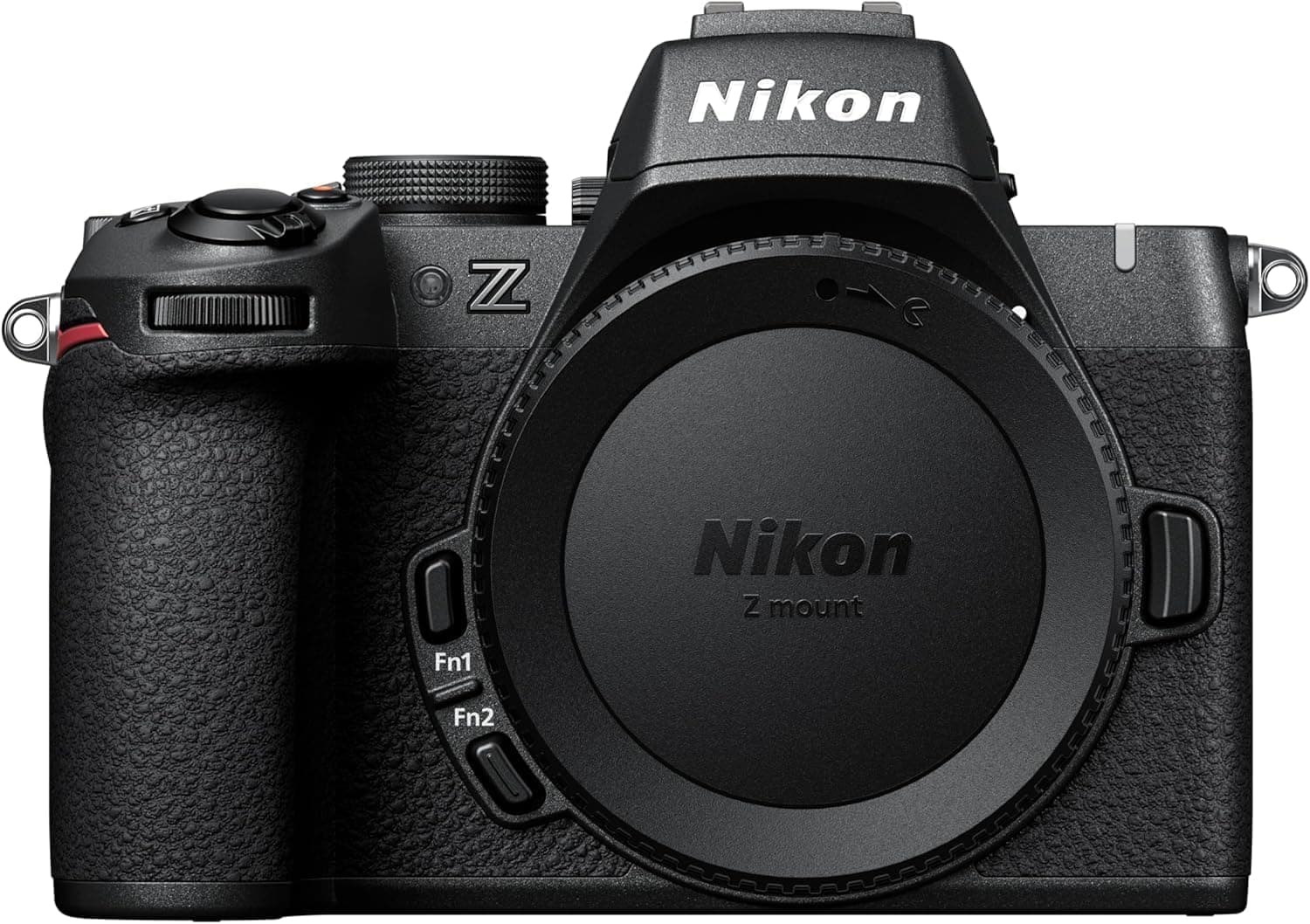
The Z50 II is Nikon's updated entry-level mirrorless, and paired with the Z DX 70-300mm, it's a genuinely capable bird photography kit for under $1,500. The 20.9MP sensor won't win resolution contests, but the images are clean and detailed. The autofocus has been significantly improved over the original Z50, with reliable bird detection that works in most conditions. The 70-300mm lens is sharp at 200mm and acceptable at 300mm. It's a great kit to learn with, and light enough to take on hikes without complaint.
Phoneskope Digiscoping Kit

If you already own a spotting scope, digiscoping is the cheapest way to get frame-filling bird photos. The Phoneskope adapter clamps your phone's camera to your scope's eyepiece, effectively turning your 60x scope into a massive telephoto lens. The results are surprisingly good in bright light — crisp enough for social media and field notes, and occasionally stunning. It takes practice to align and focus, and you'll need a steady tripod. But for $80, this turns gear you already own into a bird photography setup.
Birdr may earn a commission when you purchase through links on this page. This helps support the app at no extra cost to you. We only recommend gear we would use ourselves. Prices are approximate and may vary by retailer. Last updated Mar 2026.